Table of Contents
- Introduction: Understanding Diabetes in the Modern Era
- What is Diabetes and How Does It Develop?
- Main Causes of Increasing Diabetes Cases
- Key Symptoms You Should Never Ignore
- Effective Diabetes Management and Coping Strategies
- Vital Tips for Diabetes Prevention
- Conclusion & Key Takeaways
1. Introduction: Understanding Diabetes in the Modern Era
Diabetes is one of the most widespread chronic metabolic conditions affecting millions of people worldwide today. In modern society, overnutrition—eating rich, high-calorie meals combined with physical inactivity—has dramatically increased the prevalence of this condition. Often referred to as a “silent illness,” diabetes develops gradually without severe early warning signs, making early education and proactive awareness absolutely crucial for long-term health.
2. What is Diabetes and How Does It Develop?
To maintain overall wellness, understanding how blood glucose functions in your body is the very first step. When you eat, food breaks down into glucose, which enters your bloodstream. Insulin, a vital hormone produced by the pancreas, acts like a key to let blood sugar into your cells for energy. When this system fails, blood sugar accumulates in the blood, leading to high glucose levels.
Diabetes Classification: Type 1 vs. Type 2
- Type 1 Diabetes: An autoimmune condition where the pancreas produces little to no insulin.
- Type 2 Diabetes: The most common form, characterized by insulin resistance where the body’s cells do not respond effectively to insulin.
3. Main Causes of Increasing Diabetes Cases
Why is diabetes increasing so rapidly today? The primary drivers behind the rise in Type 2 diabetes include:
- Overnutrition and Poor Diet: High intake of refined carbohydrates, sugary drinks, ultra-processed foods, high-sugar items, trans fats, and fatty foods.
- Sedentary Lifestyle: Lack of regular physical activity reduces insulin sensitivity in muscles and tissues.
- Visceral Obesity: Excess abdominal fat triggers systemic inflammation and impairs insulin function.
- Genetic Predisposition: A family history of metabolic disorders increases vulnerability.
- Chronic Stress and Sleep Deprivation: Elevated cortisol levels raise blood sugar over time.
4. Key Symptoms You Should Never Ignore
Recognizing diabetes early can prevent severe long-term vascular complications. The classic warning signs include:
- Polydipsia (Excessive Thirst): Feeling constantly thirsty as the kidneys work overtime to excrete excess sugar through urine.
- Polyuria (Frequent Urination): Increased urinary frequency, especially during nighttime hours.
- Polyphagia (Increased Hunger): Feeling perpetually hungry because cells are deprived of energy.
- Unexplained Weight Loss: Losing weight despite eating normally or eating more.
- Persistent Fatigue: Feeling constantly drained due to inefficient cellular energy conversion.
5. Effective Diabetes Management and Coping Strategies
Managing diabetes requires a balanced, structured approach to daily habits. Here are essential action items:
Diabetes Dietary Adjustments
Focus on whole foods with a low glycemic index (GI). Prioritize high-fiber vegetables, lean proteins like poultry and fish, whole grains, and healthy fats. Minimize sugar-sweetened beverages, refined white flour, and processed snacks.
Diabetes Physical Activity Routines
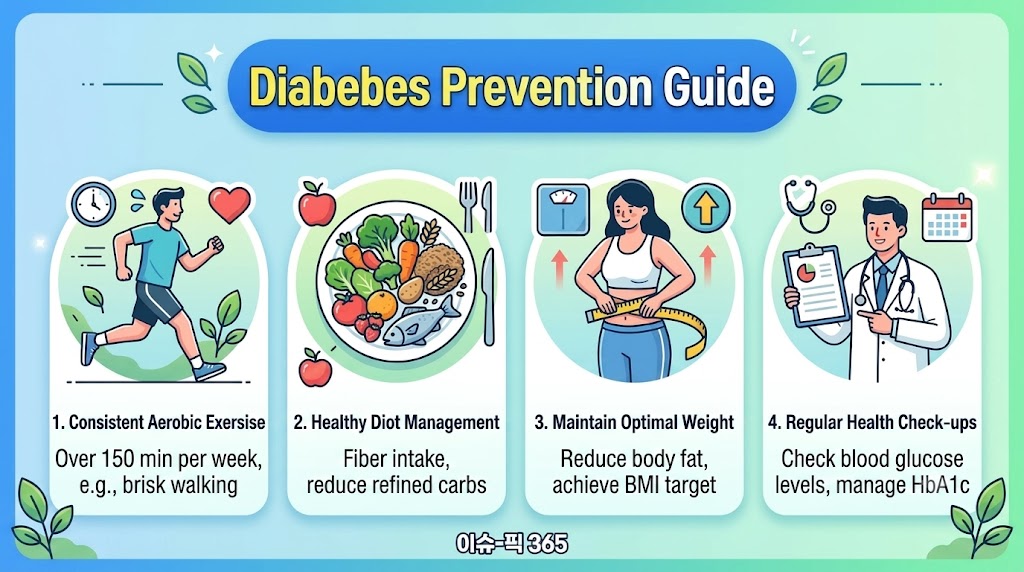
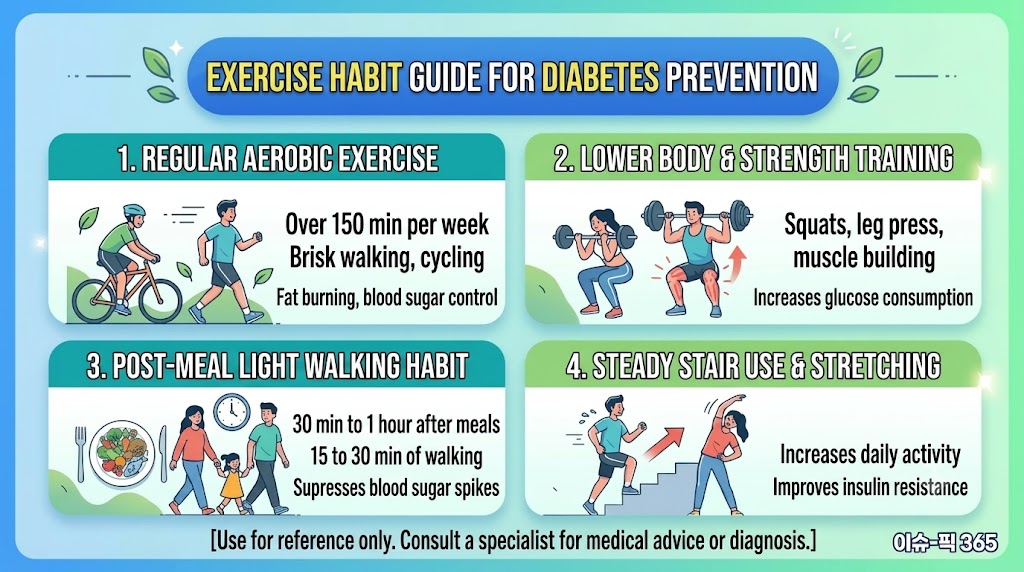
Engage in at least 150 minutes of moderate aerobic exercise per week, such as brisk walking, swimming, or cycling. Combining aerobic workouts with resistance training twice a week enhances muscle insulin sensitivity significantly.
For authoritative health guidelines and medical research on metabolic health, you can visit the World Health Organization (WHO) or explore trusted resources provided by the American Diabetes Association (ADA).

6. Vital Tips for Diabetes Prevention
Preventing diabetes starts with consistent, mindful habits before symptoms ever appear:
- Maintain a Healthy Body Weight: Losing just 5% to 7% of excess body weight can lower diabetes risk dramatically.
- Prioritize Fiber-Rich Meals: Dietary fiber slows glucose absorption, preventing sharp blood sugar spikes.
- Stay Well-Hydrated: Choose water as your primary beverage instead of soda, energy drinks, or sweetened teas.
- Schedule Regular Health Screenings: Check fasting blood glucose and HbA1c levels annually to catch prediabetes early.
7. Conclusion & Key Takeaways
Diabetes is a condition that can be effectively prevented and controlled with proper daily habits and ongoing care. Try implementing these core rules step-by-step in your daily routine alongside a balanced diet and exercise. Small, consistent changes will become your greatest strength in protecting your valuable health.
[Please use this information for reference purposes only. If you require medical advice, diagnosis, or treatment, please consult a qualified healthcare professional.]
#Diabetes #DiabetesPrevention #HealthGuide #BloodSugarControl #HealthyLiving #DiabetesManagement